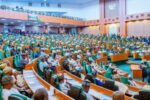
The House of Representatives Public Accounts Committee, led by Representative Bamidele Salam, has initiated a major parliamentary investigation into financial irregularities totaling over eight hundred and two billion naira involving several government institutions. The primary entities summoned to present accounting records and operational documentation include the Nigerian National Petroleum Company Limited and the Independent National Electoral Commission.
The nationwide inquiry follows extensive audit queries issued by the Office of the Auditor-General of the Federation covering unverified financial transactions and unremitted state revenues. According to the statutory report, the state-owned petroleum corporation accounts for over five hundred and fourteen billion naira of the flagged figure, which includes unauthorized deductions from domestic crude oil sales alongside unverified transfers from revenue reserves.
Scrutiny Across Public Institutions and Regulatory Compliance
Alongside the energy corporation and electoral commission, the legislative panel has listed several secondary federal institutions for public hearings. These include research centers, technology agencies, and power institutes slated to account for unverified expenditures, procurement irregularities, and missing financial schedules.
Committee leaders emphasized that the investigative sessions aim to enforce strict compliance with constitutional revenue-sharing mechanisms and recover unremitted funds to support the national budget. Accounting officers and financial heads from each targeted agency are required to appear directly before lawmakers with formal verification documents.
Legislative Oversight and Systemic Accountability
Parliamentary representatives clarified that audit queries serve as procedural calls for accountability rather than immediate declarations of wrongdoing, granting affected institutions full opportunity to present official records.
The House Public Accounts Committee reaffirmed its commitment to completing the review systematically, assuring the public that binding statutory recommendations will be submitted to the full floor of the House to plug ongoing revenue leakages across federal ministries.