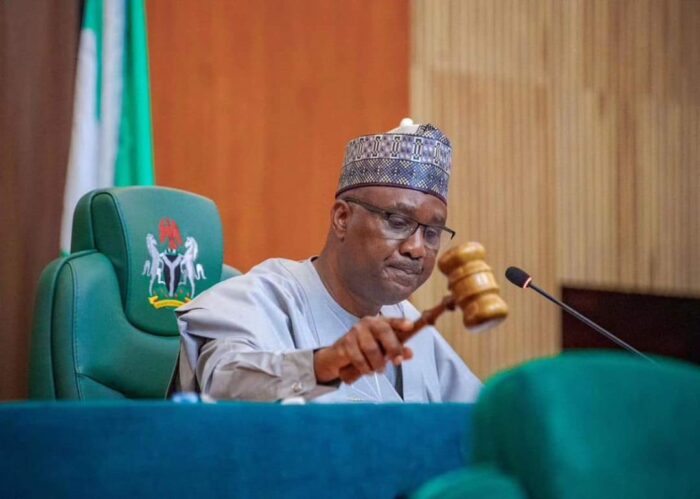
The Speaker of the House of Representatives, Rt. Hon. Tajudeen Abbas, has reaffirmed the National Assembly’s unwavering commitment to overhauling Nigeria’s business landscape by removing bureaucratic bottlenecks and creating a more investor-friendly regulatory environment.
Speaking on the legislative agenda of the 10th National Assembly, Abbas emphasized that boosting economic growth through targeted policy interventions remains one of the parliament’s top priorities. He noted that creating an environment where businesses can thrive is essential for driving sustainable national development, curbing unemployment, and attracting both domestic and foreign direct investments.
Targeting Regulatory Bottlenecks and Red Tape
A major focus of the legislature’s current drive is the systematic reduction of redundant regulatory hurdles that have historically slowed down commercial activities in Nigeria. According to Speaker Abbas, the House of Representatives is actively reviewing existing commercial laws to streamline compliance processes, shorten approval timelines, and lower the cost of doing business.
By collaborating with federal ministries, departments, and regulatory agencies (MDAs), parliament aims to eliminate overlapping mandates that often subject business owners to multiple taxation and excessive administrative delays.
Empowering SMEs and the Private Sector
Recognizing Micro, Small, and Medium Enterprises (MSMEs) as the engine of Nigeria’s economy, Abbas highlighted that upcoming legislative measures will specifically address challenges faced by local entrepreneurs. Key areas targeted by the proposed legal frameworks include:
- Access to Financing: Fast-tracking bills that ease access to low-interest credit and developmental funds for young entrepreneurs and growing businesses.
- Protection for Investors: Strengthening legal frameworks that protect intellectual property, contracts, and commercial investments from sudden policy shifts.
- Infrastructure and Trade: Aligning trade policies with modern digital economic demands to allow Nigerian businesses to scale globally and participate effectively in continental initiatives like the African Continental Free Trade Area (AfCFTA).
Collaborative Approach to Economic Recovery
Speaker Abbas assured stakeholders that the National Assembly will maintain an open-door policy, hosting continuous consultative sessions with private-sector leaders, chamber of commerce representatives, and industry experts.
He concluded by reiterating that a robust economy cannot be built by government intervention alone, but through legislative frameworks that empower the private sector to innovate, scale, and generate lasting employment for millions of Nigerians.