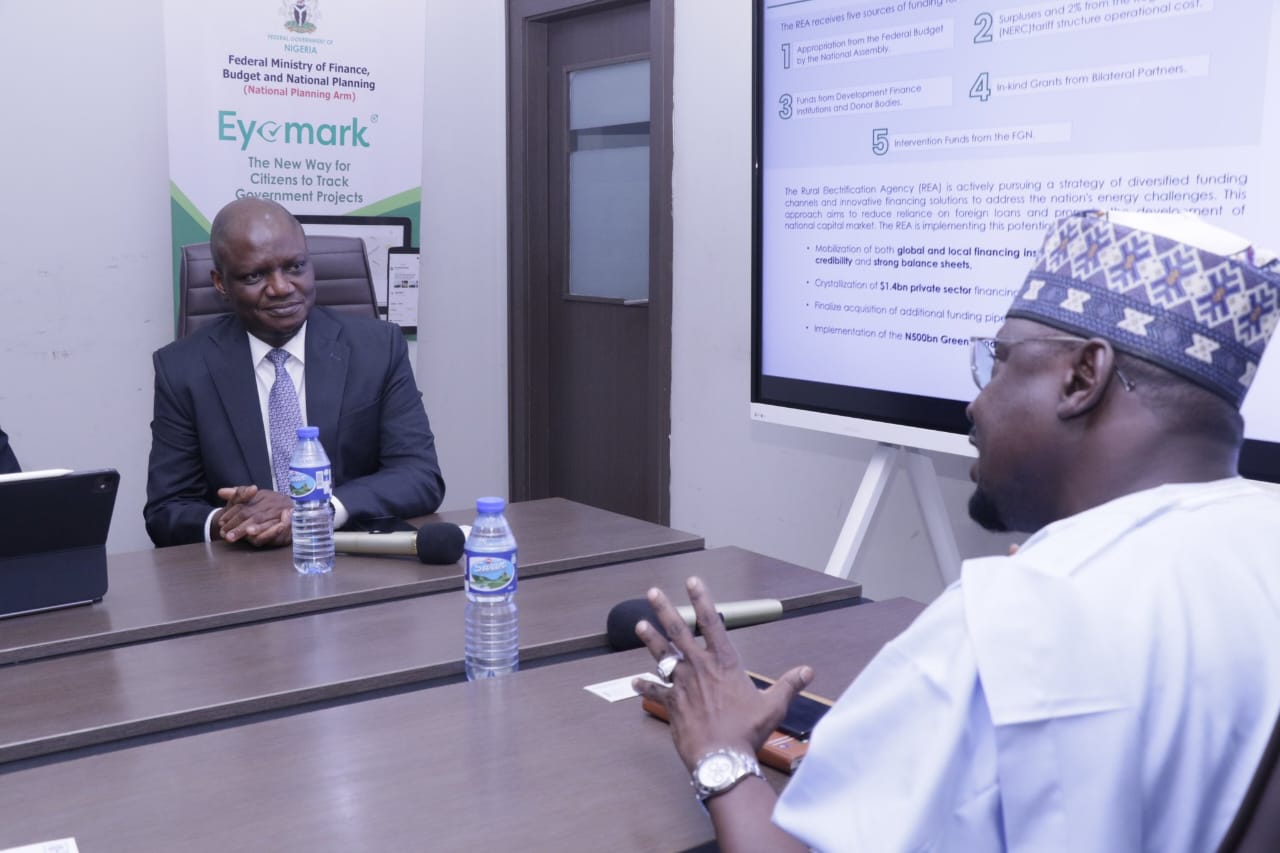
The Federal Government of Nigeria is taking a significant step toward closing the energy gap in underserved regions. Through the Rural Electrification Agency (REA), the government has announced a deepened collaboration with Lotus Bank to finance large-scale off-grid electricity projects across the country.
Driving Intentional Investment
During a recent high-level engagement, the Managing Director of the REA, Dr. Abba Aliyu, challenged the banking sector to move beyond tentative steps. He urged Lotus Bank to establish clear funding targets and internal standards designed to help energy developers scale their operations with greater efficiency.
“That level of intentionality is exactly what the sector needs if we’re serious about moving from pilots to impact at scale,” Dr. Aliyu emphasized.
Formalizing the Framework: The Upcoming MoU
To solidify this partnership, both parties are currently drafting a Memorandum of Understanding (MoU). This agreement will serve as the blueprint for the collaboration, specifically outlining:
- Funding Structures: How capital will be deployed to energy developers.
- Operational Guidelines: Standards for project selection and execution.
- Private Sector Incentives: Encouraging more businesses to invest in Nigeria’s renewable landscape.
Impact on Rural Communities
This initiative is a core component of the government’s Distributed Access through Renewable Energy Scale-up (DARES) program. Rather than funding isolated projects, the goal is to create a sustainable financing framework that ensures long-term energy access for rural and underserved communities.
By leveraging private sector capital through Lotus Bank, the REA aims to transition from small-scale pilot programs to a nationwide impact that provides reliable, clean energy to millions of Nigerians currently off the national grid.