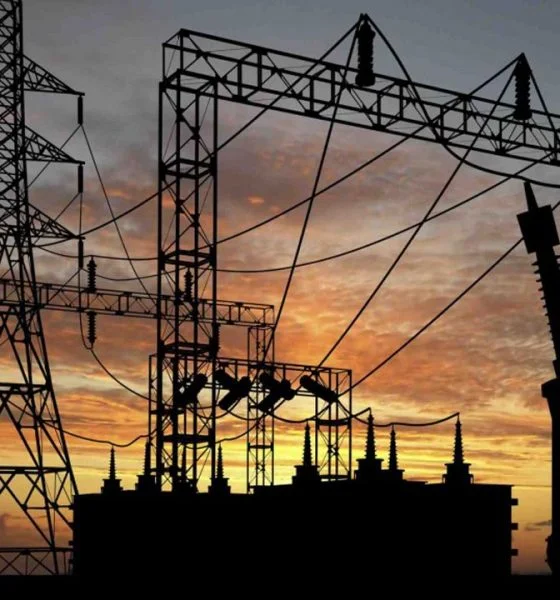
Nigeria’s power sector faced its first major setback of the year on Friday, January 23, 2026, as the national electricity grid suffered a total collapse, plunging all 36 states and the Federal Capital Territory into darkness.
The system failure occurred at approximately 1:00 PM, according to data from the Nigerian Independent System Operator (NISO).
System Performance at a Glance
The collapse was sudden and absolute, erasing all gains made by recent infrastructure additions.
- Generation Drop: Power generation plummeted from over 4,500 MW to 0 MW within minutes. Some reports indicated a brief spike at 24 MW before a total shutdown.
- DisCo Allocation: All 11 Electricity Distribution Companies (DisCos)—including Ikeja, Eko, and Abuja—recorded zero load allocation.
- Exceptions: Only Ibadan DisCo briefly showed a marginal allocation of 20 MW during the initial stages of the crash before also losing supply.
The “Why” and the Context
The Transmission Company of Nigeria (TCN) has not yet officially confirmed the root cause of today’s failure, but industry experts point to a few recurring factors:
- High Urban Demand: The collapse followed reports of “robust demand” in key cities like Lagos and Abuja, which may have strained an already fragile frequency balance.
- Recent Maintenance Gains Lost: The incident is particularly disappointing as it comes just days after the Niger Delta Power Holding Company (NDPHC) successfully added 450 MW to the grid from the Geregu NIPP plant.
- Historical Pattern: This is the first collapse of 2026, but it follows a turbulent 2025 where the grid reportedly failed 12 times, with the most recent incident occurring on December 29, 2025.
Restoration Update: As of 3:30 PM, the TCN has announced that “gradual restoration” has commenced. Abuja Electric (AEDC) confirmed they are beginning to receive limited supply at their intake points, but it may take several more hours for the system to fully stabilize nationwide.
Impact on the 2026 Outlook
This collapse reignites the debate over the Synchronization Test conducted on November 9, 2025, which linked Nigeria’s grid to the West African Power Pool (WAPP). While the move was intended to improve stability, critics argue that until internal infrastructure is overhauled, regional links may only increase the risk of cross-border outages