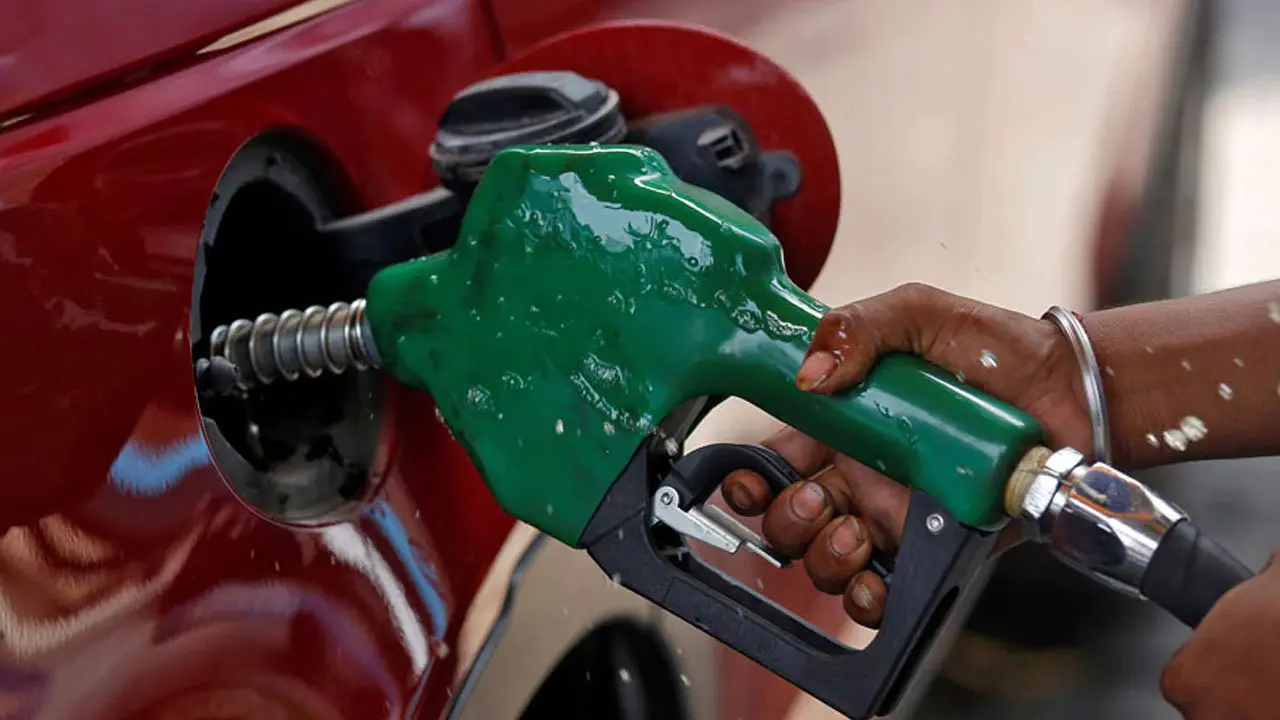
Nigeria’s energy landscape is shifting as daily petrol consumption soared to 63.7 million litres per day in December 2025, a significant 20.4% increase from the previous month. The latest data from the Nigerian Midstream and Downstream Petroleum Regulatory Authority (NMDPRA) reveals a complex picture of rising demand met by a historic surge in local refining capacity.
While the nation has struggled with import dependence for decades, the end of 2025 marked a turning point driven by the operational ramp-up of the Dangote Petroleum Refinery.
The Numbers Behind the Surge
- Consumption Spike: Daily usage jumped by 10.8 million litres in just one month, rising from 52.9 million litres in November to 63.7 million in December.
- Holiday Demand: Analysts attribute the spike to “yuletide mobility,” as millions of Nigerians traveled across the country for the festive season.
- Supply Buffer: Total domestic supply actually reached 74.2 million litres per day, ensuring that despite the high demand, the country maintained a healthy stock sufficiency of approximately 29 days.
The Dangote Factor
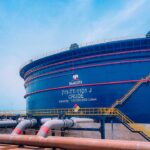
The $20 billion Dangote Refinery has become the backbone of Nigeria’s fuel security. In December, the facility’s domestic petrol supply surged by 64%, delivering an average of 32 million litres per day.
- Capacity Utilization: The refinery operated at roughly 63% capacity, with peaks hitting 71%.
- Import Reduction: As local production climbed, petrol imports fell by 19%, dropping to 42.2 million litres per day as the country begins to “look inward” for its energy needs.
The Price Debate
Despite the improved supply, the cost of fuel remains a major talking point. In December, petrol prices ranged between ₦837 and ₦920 per litre. While the Dangote Refinery has positioned its pricing at around ₦739 per litre at some outlets to stay competitive, experts remain divided on whether this reflects true market equilibrium or a “market distortion” in the post-subsidy era.
What’s Next for 2026?
As of January 2026, the outlook remains cautiously optimistic. While state-owned refineries in Port Harcourt, Warri, and Kaduna remain shut down, modular refineries like Waltersmith (Train 2) are expected to introduce hydrocarbons this month, adding even more “Made in Nigeria” fuel to the grid.